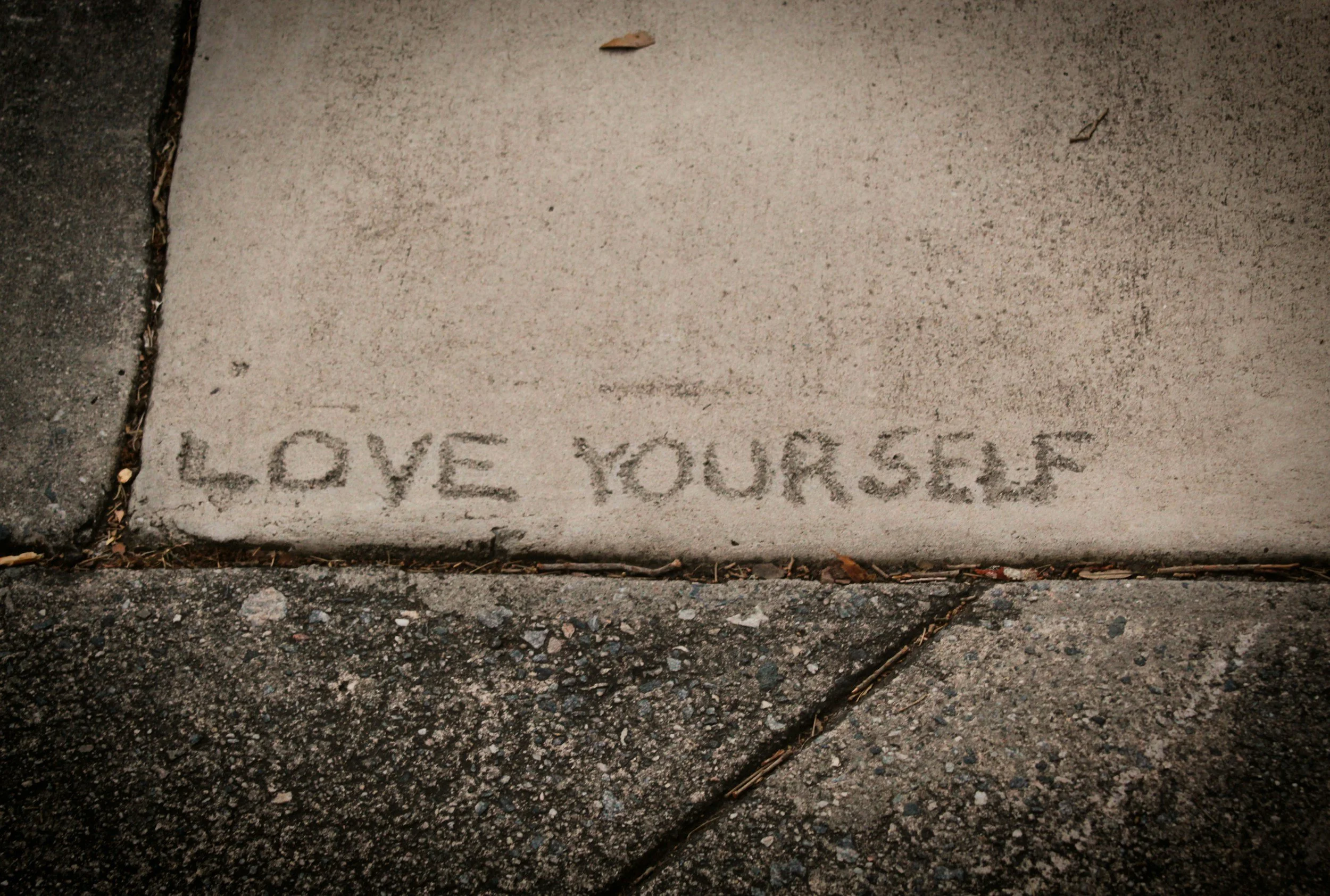
Low self-esteem is a common symptom that adult survivors of childhood trauma experience - and oftentimes, learned self abandonment is at the heart of it. At Corinne Blackmon Therapy, LLC (that’s me!), we offer specialized online childhood trauma therapy to support clients across North Carolina and South Carolina in learning to stop the people pleasing and self abandonment to live more fulfilling and authentic lives.
REMINDER: Reading this blog is NOT therapy and does not create a client-therapist relationship between us. Information contained within this blog is for informational purposes only and does not constitute individualized advice.
Do you struggle with low self esteem?
Low self esteem is something that a lot of trauma survivors experience, and can be directly related to childhood trauma. When you’re regularly being attacked, shamed, criticized, and belittled, it can take a toll on how we feel about ourselves. How could we learn to regard ourselves highly when it felt like our caregivers didn’t?
As adults, we can contribute to continuing the impacts of low self esteem by people pleasing and abandoning ourselves (just like we learned from our caregivers). Take a look at the list below to see some examples of how we can people please and self-abandon as trauma survivors:
What Are Ways That Trauma Survivors Abandon Themselves Without Realizing It?
Saying yes to the invitation when we really want to say no
Continuing to give more than the other person in relationships
Sacrificing what we want or need to maintain a relationship with someone
Not saying what we really feel because we’re afraid of the other person’s feelings
Continuing to subject ourselves to situations and relationships where we’re not valued (or that aren’t in alignment with our values)
Pushing through at work when our body is screaming for a break (or food, or the bathroom)
“Going along to get along” with others
Not putting up boundaries when needed
…and many others
Do you see yourself in any of these examples? If so, it might be helpful to take an inventory of areas of your life where you are still actively abandoning yourself.
Why Do Adult Trauma Survivors Tend to People Please and Self Abandon?
When we’re kids growing up in a dysfunctional family system, we learn very early on how to please our caregivers. We learn what they like and what they don’t, what they can tolerate and what they can’t, and how to gain their love and affection. When we’re five years old and want to be an astronaut when we grow up, and our parents say something like “That’s a silly dream, you’ll never be an astronaut” or “You don’t want to be an astronaut, astronauts have to live in space. You should be an engineer instead, it’s more practical”, we learn very quickly that being an astronaut is not something that will get us love and affection from our parents. Even if it’s well intentioned on the part of the parents, to the child this amounts to emotional abandonment. The child learns that it’s “bad” to be an astronaut and “good” to be an engineer - and as a result, the child might discard their interest in becoming an astronaut and become a teenager who goes to college to be an engineer. But what if that teen becomes an adult engineer who still dreams of going up into space? That child has now become an adult person who learned that keeping the connection alive with their parents was more important than what they wanted. Now, the course of their whole life has been affected (and directed) by the desire to be acceptable and loveable to their parents. Instead of valuing themselves, that child became an adult who learned that it’s better to value keeping the relationships happy around them even if it means abandoning what they want and need.
While that was an overt example, this can happen to us in very minor, relatively unnoticeable ways all the time. We don’t ask for the time off even though we’re feeling burned out, because we’re afraid of what our boss might think. We don’t tell our partner how we feel about something they’ve said because we worry that being honest might cost us the relationship (even if it shouldn’t). We don’t put up boundaries with the family member that keeps taking from us, because deep down we’re afraid that they will abandon us if we say “no”. Over time, these little slights add up into one big hard truth: we value many other things in our lives more than we value ourselves.
How Can Childhood Trauma Therapy Help Build Self Esteem?
In childhood trauma therapy, we explore all of the ways in which our childhood has impacted us: including how many places in our present day life we might still be abandoning ourselves. When we learn that it’s safe (and actually important) to listen to and advocate for our own needs, we start to demonstrate to ourselves that we value ourselves more. When we treat ourselves like we matter, others start to too. Yes, there may be some people in our lives who don’t treat us like we matter, and it’s up to us to decide if those people deserve a place (or even a reduced place) in our lives. But when we start treating ourselves like we matter, that’s often when we see our self esteem improve too. Knowing we matter, and having our actions and how we treat ourselves align with that fact, can have a big impact on our self esteem levels.
Online Childhood Trauma Therapy Across North Carolina & South Carolina
Hi, I’m Corinne Blackmon, LCMHC, LPC of Corinne Blackmon Therapy, LLC - and I offer virtual childhood trauma therapy to clients with Complex PTSD (C-PTSD) in North Carolina & South Carolina (and now Vermont and Florida too!). Healing from childhood trauma requires specialized support from someone who gets it - and as a fellow trauma survivor myself, I combine my professional training and lived experience to support my clients in their healing.
Corinne Blackmon Therapy, LLC (that’s me!) provides online trauma therapy from the comfort of your own home.
North Carolina: Online childhood trauma therapy for residents in Charlotte, Raleigh, Durham, Greensboro, Asheville, and beyond!
South Carolina: Virtual childhood trauma therapy for residents in Greenville, Spartanburg, Charleston, Bluffton, Columbia, Rock Hill, and beyond!
Also offering 100% online childhood trauma therapy for clients in Florida and Vermont.
In my virtual childhood trauma therapy practice, we’re not just talking about the past. We use parts work modalities like inner child parts work and Internal Family Systems (IFS) to help you learn to have more compassion for the parts of you that feel unloveable. Along with parts work, we also use tools from somatic therapy and Polyvagal theory to help your body and nervous system feel safer when learning to advocate for yourself.
Improving low self esteem takes time, but you don’t have to do it by yourself - learn more about how I can help support you in your healing journey and how childhood trauma therapy can help with low self esteem.